
-
Hummingbird Series Outdoor Laser Beam Outdoor Laser Beam Spot Wash Outdoor LED Spot Profile Outdoor LED Beam Spot Wash Outdoor Discharge Beam Outdoor Discharge Beam Spot Wash Outdoor LED Beam Outdoor LED Wash Outdoor LED ProjectorLIGHT Bar LED Madrix LED Retro Light LED Strobe Bar LED Strobe LED Blinder LED Fresnel LED Panel light


Illuminating Your Space: The Essentials of Indoor Stage Lighting Fixtures
Indoor stage lighting fixtures are essential tools in the realm of event production, performance art, and entertainment. These fixtures not only enhance the visual appeal of a space but also significantly impact the overall mood and engagement of the audience. Understanding the different types of indoor stage lighting fixtures available can help professionals choose the right equipment for their s
Nov 12,2026
One of the most commonly used indoor stage lighting fixtures is the LED panel light. These fixtures are versatile and energy-efficient, making them ideal for various applications. They offer a broad spectrum of colors and can be easily adjusted for brightness, allowing for dynamic lighting setups that can change throughout a performance. Additionally, LED technology has a long lifespan, reducing the need for frequent replacements and maintenance.
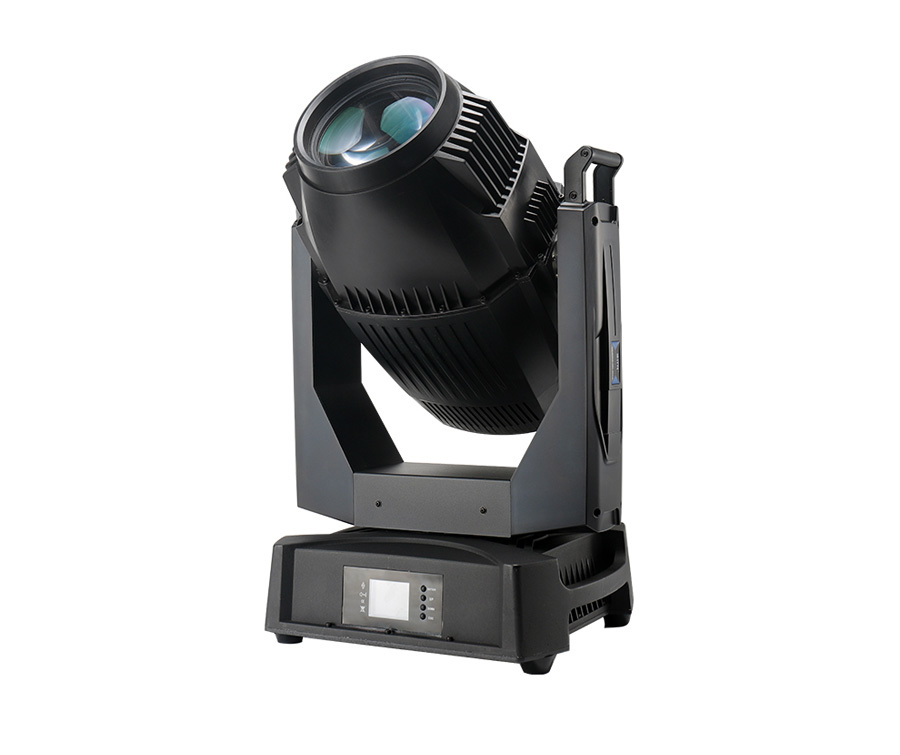
Another popular type is the moving head light. These fixtures are equipped with robotic capabilities, allowing them to move and pivot in multiple directions. This feature provides flexibility in lighting design, enabling lighting designers to create dynamic effects that captivate the audience. Moving head lights are often used in concerts and theatrical productions to add drama and excitement to performances.
For more focused lighting, spotlights are a staple in indoor stage setups. Spotlights narrow the beam of light, directing it to specific areas or performers on stage. This precision is crucial in enhancing the visibility of key elements during a performance, ensuring that the audience's attention is directed where it is most needed.
In addition to type, it's crucial to consider the wattage and lumen output of indoor stage lighting fixtures. Higher lumen outputs ensure brighter lighting, which is essential in larger venues where visibility is paramount. However, it's important to balance brightness with the aesthetic needs of the performance, as overly bright lights can wash out colors and details.
When selecting indoor stage lighting fixtures, compatibility with existing control systems should also be a priority. Many modern fixtures support DMX control, allowing for sophisticated programming and synchronization with sound and visual elements. This capability enhances the overall production value and provides a seamless experience for the audience.
In conclusion, indoor stage lighting fixtures play an indispensable role in the success of any performance. By understanding the various types of fixtures, their features, and how they can be effectively utilized, professionals can create compelling visual narratives that enhance audience engagement. Whether for a concert, theater production, or corporate event, investing in the right lighting is crucial for making a lasting impression.
PREVIOUS:

FILL IN YOUR REQUIREMENTS
If you are interested in our products, please leave your email and we will contact you as soon as possible. Thank you!
Cell/WhatsApp:
Email:
Address:
36 Building Meidong Industrial Park, San Dong Avenue, Huadu District,Guangzhou, China.

 facebook

 Mobile


 Tiktok