
-
Hummingbird Series Outdoor Laser Beam Outdoor Laser Beam Spot Wash Outdoor LED Spot Profile Outdoor LED Beam Spot Wash Outdoor Discharge Beam Outdoor Discharge Beam Spot Wash Outdoor LED Beam Outdoor LED Wash Outdoor LED ProjectorLIGHT Bar LED Madrix LED Retro Light LED Strobe Bar LED Strobe LED Blinder LED Fresnel LED Panel light


Maximizing Atmosphere: Creating Ambiance with Commercial Stage Lighting Fixtures
Maximizing Atmosphere: Creating Ambiance with Commercial Stage Lighting Fixtures Table of Contents 1. Introduction to Stage Lighting 2. The Importance of Ambiance in Events 3. Types of Commercial Stage Lighting Fixtures 4. Choosing the Right Lighting for Your Venue 5. Effective Lighting Design Techniques 6. Integrating Smart Lighting Technology 7. Successful Case Studi
Nov 11,2026
Maximizing Atmosphere: Creating Ambiance with Commercial Stage Lighting Fixtures
Table of Contents
- 1. Introduction to Stage Lighting
- 2. The Importance of Ambiance in Events
- 3. Types of Commercial Stage Lighting Fixtures
- 4. Choosing the Right Lighting for Your Venue
- 5. Effective Lighting Design Techniques
- 6. Integrating Smart Lighting Technology
- 7. Successful Case Studies in Lighting Design
- 8. Frequently Asked Questions
- 9. Conclusion: The Future of Stage Lighting
1. Introduction to Stage Lighting
Stage lighting is a crucial component in creating memorable experiences at events. It not only serves the practical purpose of illumination but also plays a vital role in setting the mood and enhancing the overall atmosphere. From concerts and theatrical performances to corporate events and weddings, effective lighting is essential for capturing the audience's attention and conveying the right emotions.
2. The Importance of Ambiance in Events
Ambiance encompasses the environmental elements that contribute to the mood and aesthetic of a space. In events, ambiance is pivotal in influencing audience perception and engagement. Proper lighting can evoke feelings of excitement, tranquility, or intimacy, depending on the event's objectives. For instance, a vibrant concert may benefit from bright, colorful lights that energize the crowd, while a formal dinner might require softer, warmer tones to foster a cozy atmosphere.
2.1 Creating Memorable Experiences
Creating an unforgettable experience for attendees is often tied to the atmosphere set by the lighting. Utilizing commercial stage lighting fixtures ensures that the design is not only visually appealing but also functional. By strategically placing lights and employing various techniques, event organizers can craft a narrative through lighting that resonates with the audience.
3. Types of Commercial Stage Lighting Fixtures
Commercial stage lighting fixtures come in various forms, each serving distinct purposes within the overall lighting design. Understanding these types is essential for effectively maximizing ambiance.
3.1 LED Stage Lights
LED lights have revolutionized the lighting industry, offering energy efficiency and flexibility. They are available in a wide range of colors and can be easily controlled to create dynamic lighting effects. Their longevity and reduced heat output make them ideal for extended use in performances.
3.2 Fresnels and Spotlights
Fresnel lights provide soft, diffused light that is perfect for creating warm washes of color, while spotlights are ideal for highlighting specific areas or performers on stage. Both types can be used in combination to create depth and dimension in an event space.
3.2.1 Benefits of Spotlights
Spotlights allow for focused lighting, drawing attention to particular performers or elements. This can enhance the storytelling aspect of performances, guiding the audience’s gaze and emphasizing key moments.
3.3 Gobo Projectors
Gobo projectors use templates to cast images or patterns onto surfaces. This effect adds visual interest and can reinforce themes, logos, or branding messages, making them a powerful tool in enhancing event ambiance.
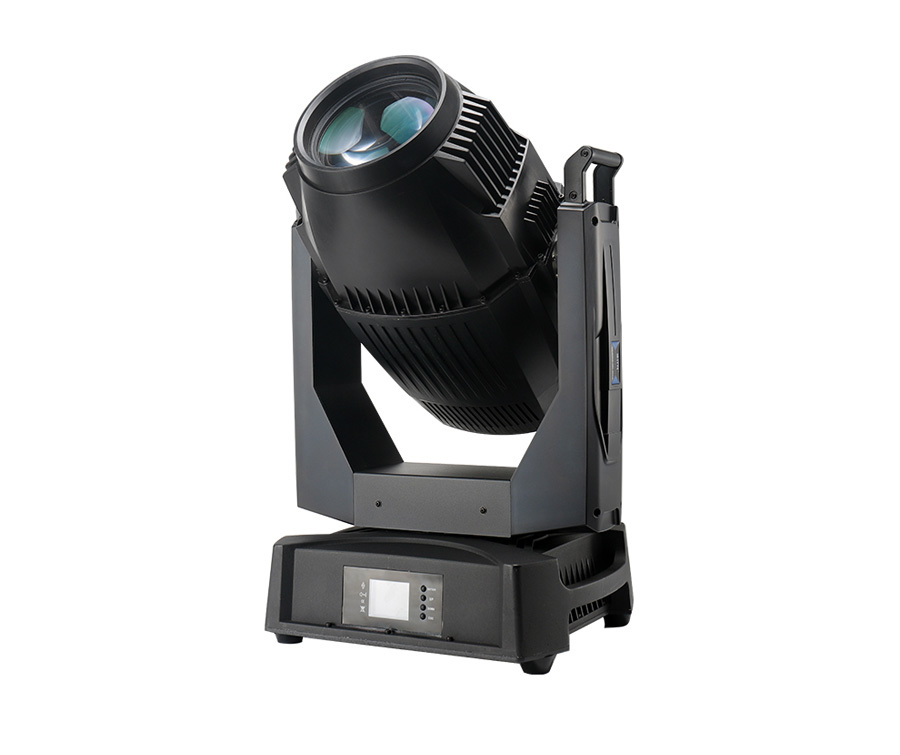
3.4 Moving Head Lights
These fixtures offer versatility and creativity, allowing for dynamic changes in direction and color throughout an event. Their ability to create movement keeps the audience engaged and adds a layer of excitement to performances.
4. Choosing the Right Lighting for Your Venue
Selecting the appropriate lighting fixtures involves understanding the venue’s architecture and the specific requirements of the event. Factors such as ceiling height, natural light availability, and the overall theme play crucial roles in this decision-making process.
4.1 Assessing Venue Characteristics
Before making lighting decisions, conduct a thorough assessment of the venue. Consider the size, layout, and existing color schemes. This understanding allows for tailored lighting solutions that enhance the space rather than overwhelm it.
4.2 Aligning with Event Goals
Different events require different atmospheres. Align your lighting choices with the goals of the event. For example, a charity gala may call for elegant, soft lighting, while a product launch might benefit from bright, sharp illuminations that excite and energize the crowd.
5. Effective Lighting Design Techniques
Implementing effective lighting design techniques is essential for creating a cohesive and engaging atmosphere. Here are some strategies to consider:
5.1 Layering Light
Combining different types of lighting—ambient, task, and accent—creates a well-rounded lighting design. Ambient light provides overall illumination, task light focuses on specific areas, and accent light highlights architectural features or artwork.
5.2 Color Temperature
The color temperature of your lights can drastically change the mood of a space. Warm colors (2700K - 3000K) evoke comfort and intimacy, while cooler colors (5000K - 6500K) feel more energizing and vibrant. Tailor your color choices to match the event’s theme.
5.3 Dynamic Lighting Changes
Utilizing dynamic lighting changes throughout an event can maintain audience engagement. Transitioning between different lighting states or colors can highlight significant moments or shifts in the program, enhancing the storytelling aspect.
6. Integrating Smart Lighting Technology
Incorporating smart lighting technology can elevate your lighting design to new heights. These systems allow for remote control and automation, enabling seamless transitions and adjustments during events.
6.1 Advantages of Smart Lighting
Smart lighting systems provide flexibility and precision in controlling lighting effects. Programmable settings allow for pre-set sequences that can be activated with a single command, simplifying the coordination of complex events.
6.2 Synchronization with Sound
Modern lighting technologies can be synchronized with sound, creating a cohesive sensory experience. This synchronization can enhance the emotional impact of performances, making every moment more memorable.
7. Successful Case Studies in Lighting Design
Examining successful implementations of commercial stage lighting can provide valuable insights into effective strategies and techniques. Here are a few notable examples:
7.1 Concert Atmosphere Creation
A major concert featuring a renowned artist utilized moving head lights and LED panels to create an immersive environment. The dynamic lighting changes aligned with the music’s tempo, enhancing the audience's emotional connection to the performance.
7.2 Corporate Event Branding
For a corporate brand launch, gobo projectors were used to display the company logo and related imagery throughout the venue. Coupled with ambient lighting, this created a sophisticated atmosphere that reinforced brand identity.
8. Frequently Asked Questions
8.1 What are the best lighting fixtures for small venues?
In small venues, LED lights, compact spotlights, and wash lights work well. These fixtures are versatile and can effectively illuminate the space without overwhelming it.
8.2 How can lighting impact audience mood?
Lighting plays a significant role in setting the mood. Bright, colorful lights can energize and excite, while soft, warm tones can create a calming, intimate atmosphere. The right lighting enhances emotional responses from the audience.
8.3 Is it necessary to hire a lighting designer for events?
While it's possible to manage lighting independently, hiring a professional lighting designer can enhance the overall quality and effectiveness of your lighting. Their expertise ensures that lighting complements the event's goals and theme.
8.4 Can stage lighting be used outdoors?
Yes, many stage lighting fixtures are designed for outdoor use. Ensure that the equipment is weather-resistant and suitable for outdoor conditions to avoid damage.
8.5 How do I maintain stage lighting fixtures?
Regular maintenance is essential for optimal performance. Clean fixtures to remove dust and debris, check electrical connections, and replace any burnt-out bulbs promptly to ensure longevity and efficiency.
9. Conclusion: The Future of Stage Lighting
Mastering the art of ambiance through commercial stage lighting fixtures is essential for creating memorable experiences at events. By understanding the different types of fixtures, employing effective design techniques, and integrating smart technology, event organizers can elevate their venues and captivate audiences. As the lighting industry continues to evolve, staying abreast of new innovations will empower professionals to create even more stunning visual narratives, making every event a remarkable experience.
PREVIOUS:

FILL IN YOUR REQUIREMENTS
If you are interested in our products, please leave your email and we will contact you as soon as possible. Thank you!
Cell/WhatsApp:
Email:
Address:
36 Building Meidong Industrial Park, San Dong Avenue, Huadu District,Guangzhou, China.

 facebook

 Mobile


 Tiktok