
-
Outdoor Laser Beam Outdoor Laser Beam Spot Wash Outdoor LED Spot Profile Outdoor LED Beam Spot Wash Outdoor Discharge Beam Outdoor Discharge Beam Spot Wash Outdoor LED Beam Outdoor LED Wash Outdoor LED ProjectorLIGHT Bar LED Madrix LED Retro Light LED Strobe Bar LED Strobe LED Blinder LED Fresnel LED Panel light


From Concept to Reality: Planning Your Event with Commercial Stage Lighting Fixtures
From Concept to Reality: Planning Your Event with Commercial Stage Lighting Fixtures Understanding the Importance of Stage Lighting in Event Planning When we think about memorable events, one element often stands out—**lighting**. Stage lighting sets the mood, highlights key features, and enhances audience engagement. Whether you’re hosting a concert, theater performance, corporate event, or weddi
Sep 14,2026
From Concept to Reality: Planning Your Event with Commercial Stage Lighting Fixtures
Understanding the Importance of Stage Lighting in Event Planning
When we think about memorable events, one element often stands out—**lighting**. Stage lighting sets the mood, highlights key features, and enhances audience engagement. Whether you’re hosting a concert, theater performance, corporate event, or wedding, the right lighting can transform an ordinary space into an extraordinary one.
Why Commercial Stage Lighting Matters
Commercial stage lighting fixtures are not just tools; they are essential components that breathe life into an event. They help convey emotions, direct audience attention, and create a visually stunning experience. Understanding their significance is the first step toward successful event planning.
Types of Stage Lighting Fixtures
To effectively plan your event, you need to become familiar with various types of **commercial stage lighting fixtures**. Here are some of the most common types:
- **LED Par Cans**: Versatile and energy-efficient, LED Par Cans are popular for their ability to produce vibrant colors.
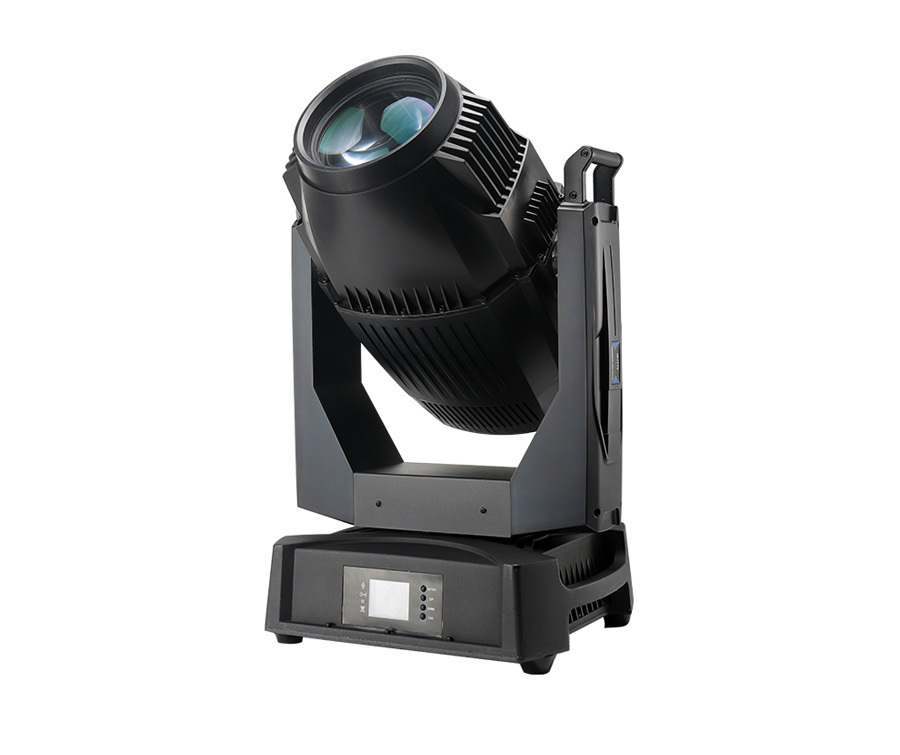
- **Moving Head Lights**: These fixtures offer dynamic lighting options, capable of sweeping across a stage to create dramatic effects.
- **Fresnel Lights**: Ideal for soft, even lighting, Fresnel lights are commonly used in theater productions.
- **Spotlights**: Spotlights focus on specific areas, making them perfect for highlighting solo performances or key moments.
Key Considerations for Choosing Lighting Fixtures
Selecting the right **commercial stage lighting fixtures** involves several critical considerations. Here are the key factors to keep in mind:
Event Type and Purpose
The nature of your event will dictate your lighting needs. A corporate presentation may require clean, bright lights, while a concert might benefit from colorful, dynamic effects.
Venue Size and Layout
Understanding the dimensions and layout of your venue is crucial. Larger spaces may need powerful fixtures with a broader reach, whereas smaller venues can utilize more compact lighting options.
Budget Constraints
Lighting can be one of the largest expenses in event planning. It’s essential to balance quality with your budget. Explore rental options or seek affordable yet effective lighting solutions.
Planning Your Lighting Design
Once you’ve selected your fixtures, the next step is to design your lighting setup. A well-thought-out lighting design enhances your event's atmosphere.
Creating a Lighting Map
Drafting a **lighting map** is an effective way to visualize where each fixture will be placed. Consider the flow of the event and how lighting can help transition between different segments.
Layering Your Lighting
Effective lighting design involves layering different types of light. Combine ambient, task, and accent lighting to create depth and interest. Ambient lighting provides overall illumination, task lighting highlights specific areas, and accent lighting adds dramatic flair.
Implementing Technology in Stage Lighting
Incorporating technology can elevate your lighting design significantly. Here’s how:
DMX Controllers
DMX controllers allow for precise control over your lighting fixtures. They enable programming of light cues, transitions, and effects, bringing your lighting design to life.
Synchronization with Music
For events like concerts or dance performances, syncing lighting with music can drastically enhance the audience's experience. Consider using software solutions that allow for real-time modifications.
Testing and Final Adjustments
Before the event begins, thorough testing of your lighting setup is essential.
Pre-Event Rehearsals
Conducting rehearsals with all performers helps identify any lighting issues. This is the time to make adjustments based on how the lights interact with the stage and audience.
Final Touches on Event Day
On the day of the event, arrive early to make any last-minute tweaks. Ensure that all fixtures are functioning correctly and that your lighting design flows seamlessly with the event’s program.
Enhancing Audience Engagement Through Lighting
The ultimate goal of effective stage lighting is to enhance audience engagement. Here are strategies to achieve that:
Utilizing Color Psychology
Colors evoke emotions. Use warm colors to create a welcoming atmosphere and cooler tones for a more subdued or professional vibe. Understanding color psychology can help you craft the desired emotional response from your audience.
Creating Visual Stories
Use lighting to tell a story. For example, transitioning from bright, vibrant colors to darker hues can signify a change in mood or scene. This storytelling aspect keeps the audience captivated.
Maintenance and Safety Considerations
Proper maintenance and safety measures are vital when working with stage lighting.
Regular Maintenance Checks
Ensure that all lighting fixtures are inspected regularly. Look for signs of wear and tear, and replace any faulty equipment to avoid disruptions during the event.
Safety Protocols
Safety should be a top priority. Make sure all wiring is secure and that fixtures are positioned safely to prevent accidents. Use surge protectors to safeguard against electrical issues.
Conclusion: Bringing Your Event to Life with Effective Lighting
Planning an event is an intricate process that requires thoughtful consideration of numerous elements, with **commercial stage lighting fixtures** playing a pivotal role. From understanding various types of fixtures and their applications to designing a cohesive lighting plan, each step is critical to creating an unforgettable experience. As you move from concept to reality, remember that effective lighting can transform your event, captivate your audience, and leave a lasting impression. By leveraging technology, employing strategic design choices, and adhering to safety protocols, you will ensure that your event shines brightly in all its glory.
Frequently Asked Questions (FAQs)
1. What types of events most benefit from professional stage lighting?
Professional stage lighting is beneficial for concerts, theater performances, corporate events, weddings, and any gathering that aims to create an engaging atmosphere.
2. How can I determine the right amount of lighting needed for my event?
Consider the venue size, type of event, and specific activities planned. Consulting with a lighting designer can provide tailored recommendations.
3. Are LED lights suitable for outdoor events?
Yes, LED lights are well-suited for outdoor events as they are energy-efficient and produce less heat, minimizing fire hazards.
4. Can I rent stage lighting equipment?
Many companies offer rental services for stage lighting, which can be a cost-effective solution for one-time events.
5. How do I troubleshoot lighting issues during the event?
Have a qualified technician on-site to address technical difficulties. Familiarize yourself with basic troubleshooting steps, such as checking connections and ensuring fixtures are powered.
By following these guidelines and insights, you will be well-equipped to create a stunning event through the effective use of commercial stage lighting.
PREVIOUS:

FILL IN YOUR REQUIREMENTS
If you are interested in our products, please leave your email and we will contact you as soon as possible. Thank you!
Cell/WhatsApp:
Email:
Address:
36 Building Meidong Industrial Park, San Dong Avenue, Huadu District,Guangzhou, China.

 facebook

 Mobile


 Tiktok