
-
Outdoor Laser Beam Outdoor Laser Beam Spot Wash Outdoor LED Spot Profile Outdoor LED Beam Spot Wash Outdoor Discharge Beam Outdoor Discharge Beam Spot Wash Outdoor LED Beam Outdoor LED Wash Outdoor LED ProjectorLIGHT Bar LED Madrix LED Retro Light LED Strobe Bar LED Strobe LED Blinder LED Fresnel LED Panel light

Unveiling the Power of LED Theatrical Profile Lights: A Comprehensive Guide
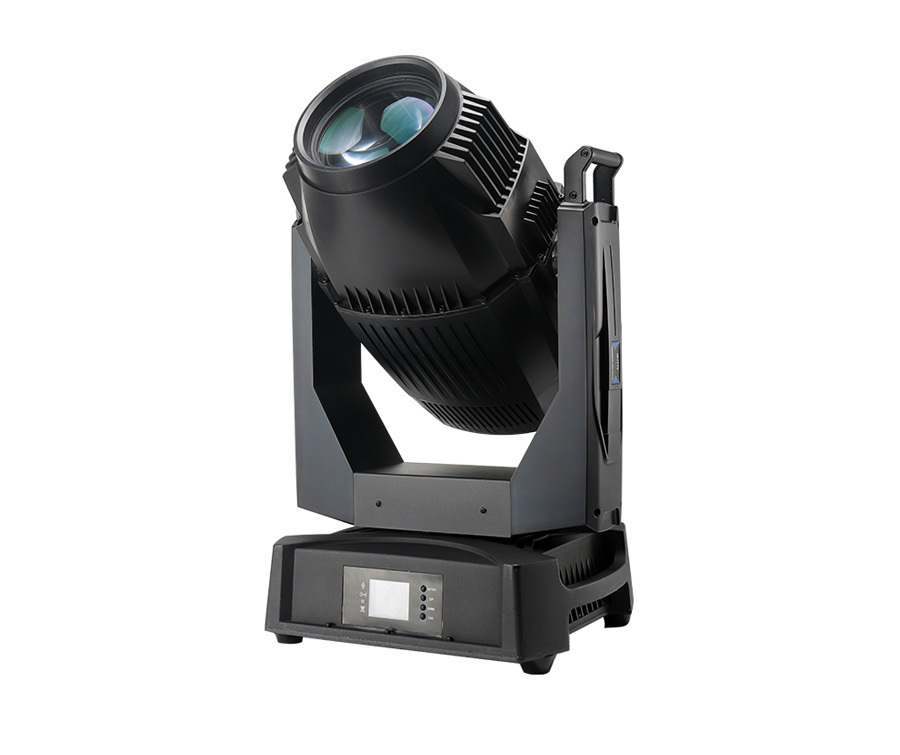
LED theatrical profile lights, also known as profile spotlights or ellipsoidal lights, are an integral component in modern stage lighting design. These lights are characterized by their ability to produce a sharp, focused beam that can be easily shaped and controlled, making them ideal for theatrical productions, concerts, and special events. Understanding the technical aspects of LED theatrical p
Sep 13,2026
One of the most significant advantages of LED theatrical profile lights is their energy efficiency. Unlike traditional incandescent or halogen lights, LED technology consumes considerably less power while providing comparable brightness. This not only reduces operational costs but also minimizes the environmental impact associated with high-energy consumption. Moreover, LED lights have a longer lifespan, which means less frequent replacements and maintenance, further enhancing their cost-effectiveness.
Another vital feature of LED theatrical profile lights is their versatility. They can be equipped with various lenses and accessories, such as gobos and color filters, allowing for a wide range of effects and creative possibilities. This adaptability makes them suitable for different applications, from creating dramatic spotlight effects to washing the stage with color. Additionally, many modern LED profile lights come with advanced control options, including DMX compatibility, enabling precise programming and synchronization with other lighting elements.
When considering the integration of LED theatrical profile lights into a production, it is essential to evaluate their output quality and color rendering capabilities. High-quality LED lights provide excellent color reproduction, ensuring that the hues on stage appear vibrant and true to life. Look for lights with a high CRI (Color Rendering Index) rating, as this will significantly impact the overall visual quality of the performance.
Incorporating LED theatrical profile lights also requires thoughtful placement and positioning to maximize their effectiveness. Understanding beam angles, throw distances, and mounting options is vital for achieving the desired lighting effects. Proper planning during the design phase can lead to a seamless integration of these lights, enhancing the audience's experience without being intrusive.
In conclusion, LED theatrical profile lights represent a significant advancement in stage lighting technology, offering energy efficiency, versatility, and superior performance. For professionals in the lighting industry, familiarizing oneself with the features and applications of these lights is crucial for delivering impactful productions. Embracing this innovative technology can elevate your work and contribute to memorable theatrical experiences.
PREVIOUS:

FILL IN YOUR REQUIREMENTS
If you are interested in our products, please leave your email and we will contact you as soon as possible. Thank you!
Cell/WhatsApp:
Email:
Address:
36 Building Meidong Industrial Park, San Dong Avenue, Huadu District,Guangzhou, China.

 facebook

 Mobile


 Tiktok