
-
Outdoor Laser Beam Outdoor Laser Beam Spot Wash Outdoor LED Spot Profile Outdoor LED Beam Spot Wash Outdoor Discharge Beam Outdoor Discharge Beam Spot Wash Outdoor LED Beam Outdoor LED Wash Outdoor LED ProjectorLIGHT Bar LED Madrix LED Retro Light LED Strobe Bar LED Strobe LED Blinder LED Fresnel LED Panel light


Event Success: The Critical Role of Quality Commercial Stage Lighting Fixtures
Event Success: The Critical Role of Quality Commercial Stage Lighting Fixtures Table of Contents Introduction The Importance of Quality Stage Lighting Types of Commercial Stage Lighting Fixtures How Lighting Affects the Event Experience Choosing the Right Lighting Fixtures for Your Event Best Practices for Stage Lighting Setup Current Trends in Stage Lighting Technology Case Studi
Sep 30,2026
Event Success: The Critical Role of Quality Commercial Stage Lighting Fixtures
Table of Contents
- Introduction
- The Importance of Quality Stage Lighting
- Types of Commercial Stage Lighting Fixtures
- How Lighting Affects the Event Experience
- Choosing the Right Lighting Fixtures for Your Event
- Best Practices for Stage Lighting Setup
- Current Trends in Stage Lighting Technology
- Case Studies: Successful Events with Quality Lighting
- Conclusion
- Frequently Asked Questions (FAQs)
Introduction
In the realm of event planning, **commercial stage lighting fixtures** play a pivotal role in transforming an ordinary gathering into an extraordinary experience. Whether it’s a concert, corporate presentation, wedding, or theatrical performance, the right lighting can significantly enhance the mood, focus attention, and create lasting memories for attendees. In this article, we explore the **importance of quality stage lighting**, the various types of fixtures available, and how to select the best options for your event.
The Importance of Quality Stage Lighting
Quality lighting is not just about visibility; it’s about setting the scene and conveying emotions. Great stage lighting can:
- **Enhance Mood and Atmosphere**: The right lighting can evoke feelings of excitement, joy, or nostalgia, significantly enhancing the overall atmosphere of an event.
- **Direct Audience Attention**: Lighting helps direct the audience's focus to specific areas of the stage, ensuring that important moments are highlighted.
- **Support Branding and Themes**: Effective lighting can reinforce the theme of an event, aligning with branding and messaging to create a cohesive experience.
- **Facilitate Performer Engagement**: For live performances, quality lighting can enhance the performers' presence, making interactions with the audience more impactful.
Types of Commercial Stage Lighting Fixtures
Understanding the different types of lighting fixtures is essential for creating a well-lit event. Here are some of the most common types used in commercial settings:
1. LED Stage Lights
LED stage lights are energy-efficient and versatile fixtures that offer a wide range of color options and intensity levels. They are ideal for creating dynamic lighting effects and are often used for concerts and theatrical productions.
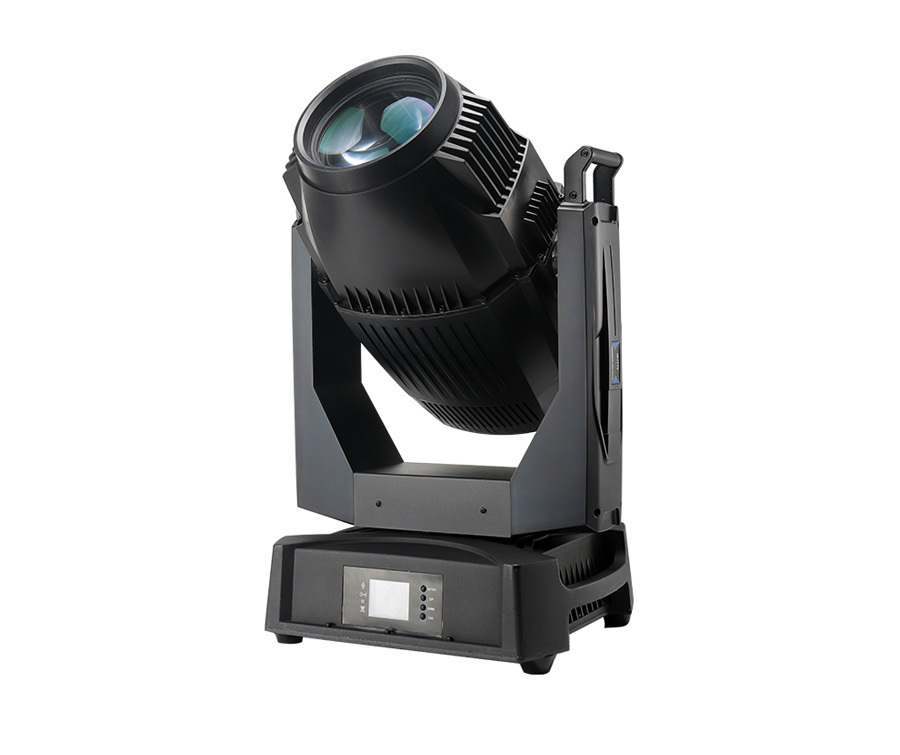
2. Moving Head Lights
These fixtures can pan, tilt, and zoom, providing dynamic lighting options that can change throughout the event. They are perfect for concerts and large-scale events where versatility is key.
3. PAR Can Lights
PAR can lights are widely used for stage lighting due to their ability to produce strong beams of light. They are commonly used for color washes and accent lighting.
4. Spotlights
Spotlights are focused lights that can highlight specific areas or individuals on stage, making them essential for presentations, speeches, and live performances.
5. Wash Lights
Wash lights are used to create a broad area of light, making them suitable for lighting up backgrounds and stages.
6. Flood Lights
Flood lights provide strong illumination over large areas. They are typically used for outdoor events and can be essential for enhancing visibility.
7. Strobe Lights
Strobe lights create flashing bursts of light, adding excitement and energy to performances. They are particularly popular in concerts and dance events.
How Lighting Affects the Event Experience
The impact of quality lighting on an event cannot be overstated. Here’s how it influences various aspects:
Audience Engagement
Proper lighting captivates and holds the audience's attention. For instance, a well-lit stage can draw focus to a speaker or performer, making their message more impactful and engaging.
Emotional Response
Lighting can evoke specific emotions. Warm tones can create intimacy, while cooler tones might evoke calmness or professionalism. Understanding your audience and the desired emotional response is crucial in selecting the right lighting.
Visual Storytelling
Lighting plays a vital role in visual storytelling. It helps in setting the narrative tone and can signify transitions from one scene to another in performances or presentations.
Choosing the Right Lighting Fixtures for Your Event
Selecting the right lighting fixtures is critical to the success of your event. Here are key factors to consider:
1. Event Type and Theme
Consider the nature of your event. A corporate seminar may require a clean, professional look, while a concert will benefit from dynamic and colorful lighting.
2. Venue Size and Layout
The size and layout of the venue will determine the type and number of fixtures needed. Larger venues may require powerful fixtures to ensure adequate illumination.
3. Budget Considerations
Quality lighting can be an investment. Establish a budget early on and explore options that provide the best value without compromising quality.
4. Technical Requirements
Ensure that your lighting setup aligns with any technical requirements of the venue, including electrical capacity and rigging options.
Best Practices for Stage Lighting Setup
Implementing best practices can make a substantial difference in your event's lighting quality:
1. Conduct a Lighting Design Plan
Before the event, develop a detailed lighting design plan that outlines the types of fixtures, their placements, and intended effects.
2. Utilize Professional Lighting Technicians
Hiring professionals ensures that your lighting is set up correctly and operates seamlessly throughout the event.
3. Test Lighting Before the Event
Always conduct thorough tests of your lighting setup prior to the event. This enables adjustments to be made and ensures that everything runs smoothly.
4. Consider Backup Options
Have backup lighting options ready in case of equipment failure. This could include spare bulbs, extra fixtures, or alternative lighting styles.
Current Trends in Stage Lighting Technology
The field of stage lighting is constantly evolving. Here are some trends to keep an eye on:
1. Smart Lighting Solutions
Smart technology allows for remote control and automated lighting setups, providing flexibility and efficiency in managing lighting designs.
2. Sustainable Lighting Options
As sustainability becomes increasingly important, more events are incorporating eco-friendly lighting options, such as solar-powered fixtures or energy-efficient LEDs.
3. Immersive Lighting Experiences
Events are becoming more immersive, with lighting synced to music and other sensory elements, enhancing audience engagement.
Case Studies: Successful Events with Quality Lighting
Examining successful events can provide valuable insights into effective lighting strategies:
1. Concerts
Many top-tier concerts utilize moving head lights and LED fixtures to create awe-inspiring light shows that complement musical performances, leaving audiences exhilarated.
2. Corporate Events
Corporate presentations that incorporate professional lighting designs have shown increased audience retention and engagement. For example, a technology launch event with dynamic spotlights and ambient washes can create a captivating atmosphere.
3. Theatrical Productions
Theatrical performances rely heavily on lighting to set the mood and guide the audience’s focus. Productions that utilize color theory and targeted lighting techniques typically receive higher audience ratings.
Conclusion
Incorporating quality commercial stage lighting fixtures is crucial for ensuring the success of any event. By understanding the importance of well-designed lighting, selecting the appropriate fixtures, and implementing best practices, event planners can create memorable experiences that captivate audiences. As technology continues to advance, staying informed about trends will further enhance the efficacy of lighting designs. Ultimately, the right lighting can transform an event from merely good to truly unforgettable.
Frequently Asked Questions (FAQs)
1. What are the benefits of using LED stage lights?
LED stage lights are energy-efficient, have a longer lifespan, and offer a wide range of color options, making them versatile for various events.
2. How do I determine the number of lighting fixtures needed for my event?
The number of fixtures required depends on the venue size, the type of event, and the desired lighting effects. A lighting design professional can assist in making this determination.
3. Can I rent lighting equipment instead of purchasing it?
Yes, many companies offer lighting equipment rentals, providing a cost-effective solution for one-time events.
4. What should I consider when setting up stage lighting?
Factors include the layout of the venue, the type of event, audience engagement needs, and technical requirements.
5. How can I ensure my lighting setup is effective?
Conduct a comprehensive lighting design plan, hire professional technicians, and perform tests before the event to ensure everything operates smoothly.
PREVIOUS:

FILL IN YOUR REQUIREMENTS
If you are interested in our products, please leave your email and we will contact you as soon as possible. Thank you!
Cell/WhatsApp:
Email:
Address:
36 Building Meidong Industrial Park, San Dong Avenue, Huadu District,Guangzhou, China.

 facebook

 Mobile


 Tiktok