
-
Outdoor Laser Beam Outdoor Laser Beam Spot Wash Outdoor LED Spot Profile Outdoor LED Beam Spot Wash Outdoor Discharge Beam Outdoor Discharge Beam Spot Wash Outdoor LED Beam Outdoor LED Wash Outdoor LED ProjectorLIGHT Bar LED Madrix LED Retro Light LED Strobe Bar LED Strobe LED Blinder LED Fresnel LED Panel light


Illuminating the Inner Stage: A Comprehensive Guide to Indoor Stage Lighting Fixtures
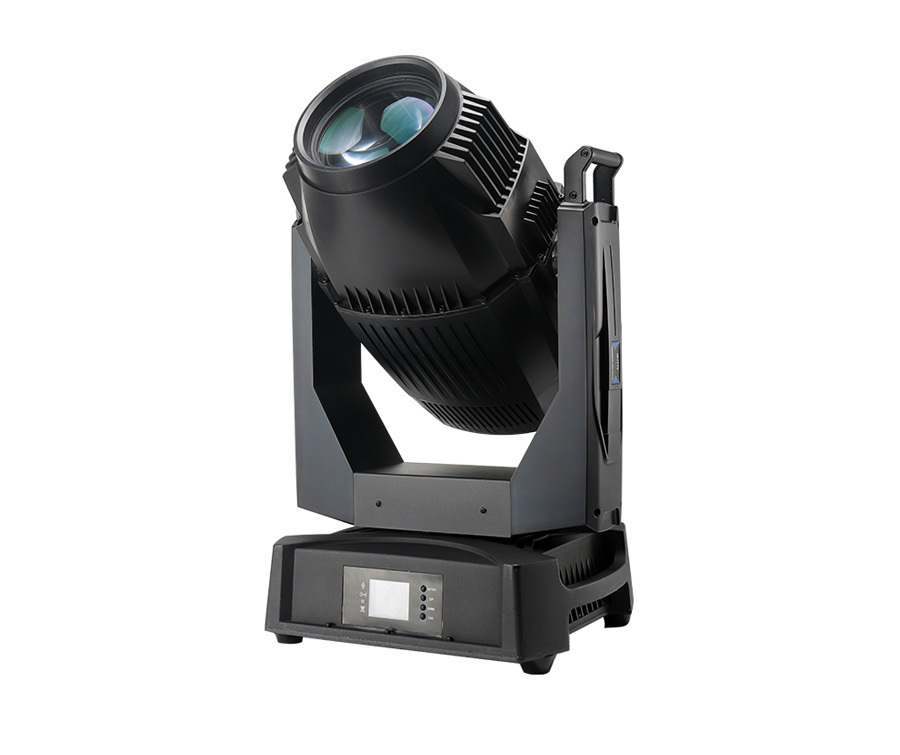
Indoor stage lighting fixtures play a crucial role in creating the ambiance and mood of a performance or event. These fixtures encompass a variety of lighting types, each designed to serve specific purposes, from enhancing visual aesthetics to ensuring visibility for the audience and performers. Let's explore the various aspects of indoor stage lighting fixtures that every professional should know
Oct 01,2026
First, it’s important to understand the different types of indoor stage lighting fixtures available. Common types include LED lights, incandescent lights, and halogen lights. LED fixtures are increasingly popular due to their energy efficiency, long lifespan, and versatility. They can produce a wide range of colors and effects, making them ideal for dynamic performances. Incandescent and halogen lights, while less energy-efficient, provide a warm light quality that can be desirable in certain settings.
Another critical aspect of indoor stage lighting fixtures is their functionality. Many fixtures allow for various control methods, including manual controls, dimmers, and automated systems. This versatility enables lighting designers to create complex lighting setups that can adapt to the changing needs of a performance. Additionally, fixtures can be equipped with accessories such as filters and gobos to further manipulate the light and create unique visual effects.
The placement of indoor stage lighting fixtures is also a key consideration. Proper positioning can enhance the visual dynamics of a production, highlighting performers while creating depth and dimension on stage. The use of stage lighting grids, trusses, and mounts allows for flexibility in adjusting the angles and heights of the fixtures, ensuring optimal coverage and effect.
Furthermore, understanding the color temperature and CRI (Color Rendering Index) of indoor stage lighting fixtures is vital. The color temperature affects how colors appear under the light, impacting the overall aesthetic of the performance. Fixtures with a high CRI are essential for accurately rendering colors, ensuring that costumes and set designs are presented as intended.
Lastly, safety and maintenance should not be overlooked. Indoor stage lighting fixtures often generate heat, and proper ventilation is crucial to prevent overheating. Regular maintenance checks, including cleaning lenses and ensuring electrical connections are secure, can prolong the lifespan of the fixtures and maintain their performance.
In summary, indoor stage lighting fixtures are indispensable tools for professionals in the entertainment industry. By understanding their types, functions, placement, color properties, and maintenance needs, you can effectively utilize these fixtures to elevate any production. Whether you are designing a theater production, concert, or corporate event, mastering the art of indoor stage lighting will undoubtedly enhance the experience for both performers and audiences alike.
PREVIOUS:

FILL IN YOUR REQUIREMENTS
If you are interested in our products, please leave your email and we will contact you as soon as possible. Thank you!
Cell/WhatsApp:
Email:
Address:
36 Building Meidong Industrial Park, San Dong Avenue, Huadu District,Guangzhou, China.

 facebook

 Mobile


 Tiktok