
-
Outdoor Laser Beam Outdoor Laser Beam Spot Wash Outdoor LED Spot Profile Outdoor LED Beam Spot Wash Outdoor Discharge Beam Outdoor Discharge Beam Spot Wash Outdoor LED Beam Outdoor LED Wash Outdoor LED ProjectorLIGHT Bar LED Madrix LED Retro Light LED Strobe Bar LED Strobe LED Blinder LED Fresnel LED Panel light
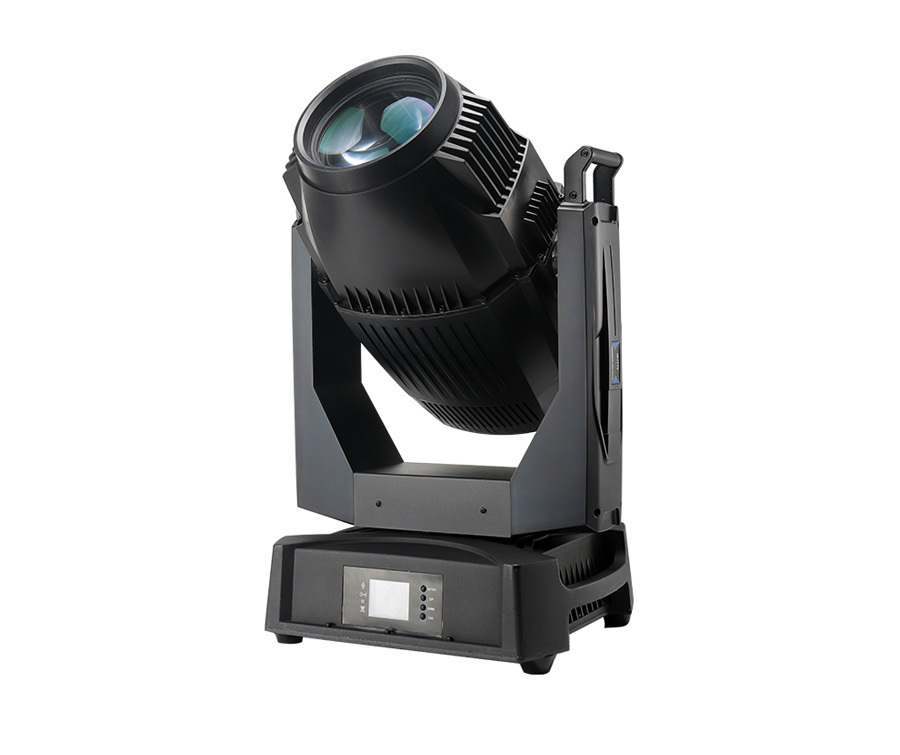


Understanding LED Theatrical Profile Lights: Enhancing Your Stage Experience
LED theatrical profile lights have become increasingly popular in the world of stage lighting due to their efficiency, versatility, and precision. These specialized lights are designed to project sharp, controlled beams of light, making them ideal for illuminating performances in theaters, concerts, and other live events. Understanding the key features and advantages of LED theatrical profile ligh
Aug 20,2026
One of the defining characteristics of LED theatrical profile lights is their ability to produce sharp-edged beams. This precision allows lighting designers to create distinct lighting effects, highlight specific areas of the stage, and enhance the overall atmosphere of a performance. The use of lens systems in these fixtures enables users to adjust the beam angle, giving them the flexibility to focus light where it is needed most. This level of control is crucial for theatrical productions, where lighting plays a vital role in storytelling.
Energy efficiency is another significant advantage of LED theatrical profile lights. LED technology consumes considerably less power compared to traditional incandescent or halogen lights. This not only reduces energy costs but also decreases the heat output, making it safer for use in enclosed spaces. The lower heat generation contributes to longer lamp life, which means less frequent replacements and maintenance, ultimately saving time and money for production teams.
Moreover, LED theatrical profile lights offer a wide range of color options and dimming capabilities. Many models come equipped with RGB color mixing, allowing designers to create vibrant colors and seamless transitions between hues. This feature is particularly beneficial for mood-setting and can greatly enhance the visual impact of a performance. Additionally, smooth dimming capabilities enable precise adjustments to light intensity, ensuring that the lighting complements the artistic vision without harsh interruptions.
When considering the integration of LED theatrical profile lights into your venue, it's important to evaluate compatibility with existing lighting control systems. Many modern LED fixtures are designed to work seamlessly with DMX control, allowing for sophisticated programming and automation. This integration facilitates complex lighting designs that can be executed effortlessly during performances, providing a polished and professional look.
In conclusion, LED theatrical profile lights are a compelling choice for anyone involved in stage lighting. Their precision, energy efficiency, and versatility make them an excellent investment for enhancing performances and creating memorable experiences for audiences. By understanding the features and benefits of these lights, you can make informed choices that will elevate your lighting design and contribute to the success of your productions. Embracing LED technology not only aligns with current industry standards but also prepares you for the future of theatrical lighting.

FILL IN YOUR REQUIREMENTS
If you are interested in our products, please leave your email and we will contact you as soon as possible. Thank you!
Cell/WhatsApp:
Email:
Address:
36 Building Meidong Industrial Park, San Dong Avenue, Huadu District,Guangzhou, China.

 facebook

 Mobile


 Tiktok