
-
Outdoor Laser Beam Outdoor Laser Beam Spot Wash Outdoor LED Spot Profile Outdoor LED Beam Spot Wash Outdoor Discharge Beam Outdoor Discharge Beam Spot Wash Outdoor LED Beam Outdoor LED Wash Outdoor LED ProjectorLIGHT Bar LED Madrix LED Retro Light LED Strobe Bar LED Strobe LED Blinder LED Fresnel LED Panel light


Behind the Scenes: Essential Features of Commercial Stage Lighting Fixtures
Behind the Scenes: Essential Features of Commercial Stage Lighting Fixtures Table of Contents 1. Introduction to Commercial Stage Lighting 2. Importance of Stage Lighting in Productions 3. Types of Commercial Stage Lighting Fixtures 3.1 LED Stage Lights 3.2 Spotlights 3.3 Floodlights 3.4 Moving Head Fixtures 4. Esse
Aug 05,2026
Behind the Scenes: Essential Features of Commercial Stage Lighting Fixtures
Table of Contents
- 1. Introduction to Commercial Stage Lighting
- 2. Importance of Stage Lighting in Productions
- 3. Types of Commercial Stage Lighting Fixtures
- 4. Essential Features of Stage Lighting Fixtures
- 4.1 Brightness and Lumen Output
- 4.2 Color Temperature and Effects
- 4.3 Beam Angle and Light Distribution
- 4.4 Control Systems and DMX Compatibility
- 5. Advanced Features of Commercial Stage Lighting
- 6. Installation and Maintenance of Stage Lighting Fixtures
- 7. Trends in Stage Lighting Technology
- 8. Frequently Asked Questions
- 9. Conclusion
1. Introduction to Commercial Stage Lighting
Stage lighting is a critical element that shapes the visual ambience of any performance. It not only enhances the aesthetic appeal but also plays a vital role in conveying emotions and storytelling. **Commercial stage lighting fixtures** encompass a wide array of technologies and designs, each tailored for specific applications and environments. Understanding the essential features of these lighting instruments can significantly impact the quality of productions, ranging from theater performances to large-scale concerts.
2. Importance of Stage Lighting in Productions
The primary function of stage lighting is to illuminate performers and set designs, but its importance transcends mere visibility. Effective lighting can create mood, highlight key moments, and direct audience attention. In commercial settings, the right lighting can also enhance branding and marketing efforts, making it a crucial investment. Here are some key reasons why stage lighting is indispensable:
- **Aesthetic Enhancement**: Good lighting design adds depth and texture to the stage, making performances more visually appealing.
- **Emotional Impact**: Different lighting techniques evoke various emotions and reactions in the audience, supporting the narrative.
- **Safety and Functionality**: Properly lit stages ensure safety for performers and crew, facilitating seamless transitions and movements.
3. Types of Commercial Stage Lighting Fixtures
Different types of stage lighting fixtures serve unique purposes and contribute distinctively to productions. Understanding these differences is essential for selecting the right fixtures for specific applications.
3.1 LED Stage Lights
LED stage lights have revolutionized the lighting industry with their energy efficiency, long lifespan, and versatility. They come in various forms, including PAR cans and strip lights, allowing for creative lighting designs. Their ability to produce a wide range of colors and effects makes them a favorite among lighting designers.
3.2 Spotlights
Spotlights are used to focus attention on a specific area or performer. They are available in various forms, such as ellipsoidal and follow spots, and can be controlled to create dynamic lighting effects. Spotlights are essential for highlighting key moments during a performance.
3.3 Floodlights
Floodlights provide wide-angle illumination and are ideal for lighting larger areas. They are often used for backdrop lighting or illuminating entire stages. The versatility of floodlights makes them an essential component of any lighting rig.
3.4 Moving Head Fixtures
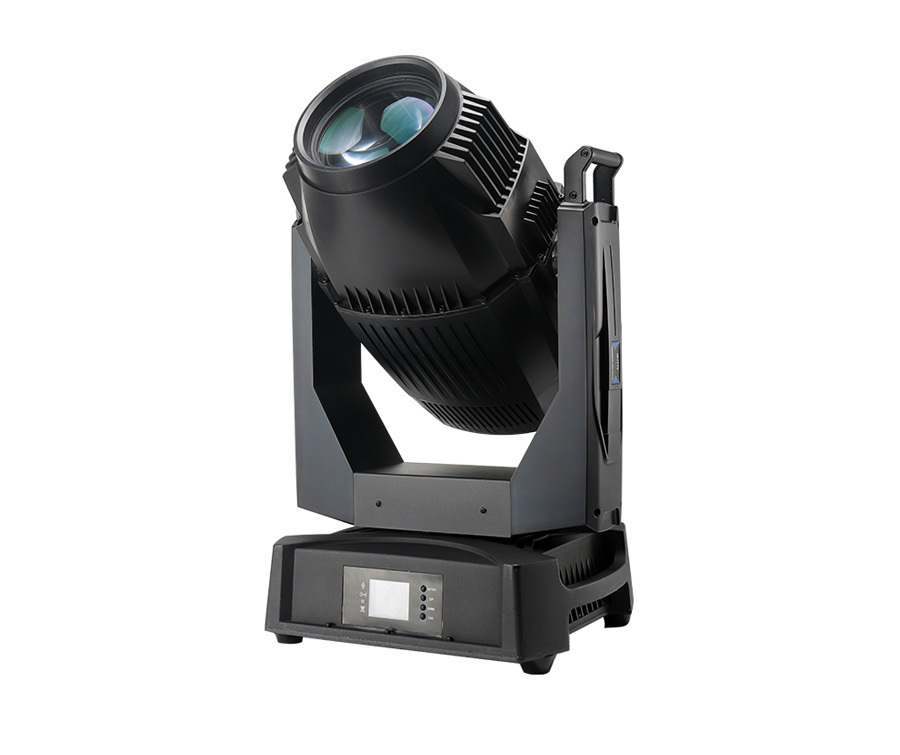
Moving head fixtures offer the flexibility to pan, tilt, and zoom, allowing for comprehensive coverage and dynamic lighting changes. These fixtures are popular in concerts and events where lighting needs to adapt quickly to the performance.
4. Essential Features of Stage Lighting Fixtures
When evaluating commercial stage lighting fixtures, several key features determine their effectiveness and usability. Understanding these features will help professionals make informed decisions.
4.1 Brightness and Lumen Output
Brightness is measured in lumens, and it is essential to select fixtures with adequate lumen output for the intended application. High lumen output ensures that performances are well-lit, even in large venues. It’s crucial to evaluate the balance between brightness and energy consumption.
4.2 Color Temperature and Effects
Color temperature, measured in Kelvin, affects the mood and feel of the performance. Fixtures that allow for adjustable color temperature provide flexibility in achieving desired lighting effects. Additionally, features such as color gels and filters enhance creative possibilities.
4.3 Beam Angle and Light Distribution
The beam angle of a lighting fixture determines how wide or narrow the light spreads. A narrow beam is effective for focused lighting, while a wider beam covers larger areas. Understanding the beam angle helps in strategically planning the lighting setup for optimal effect.
4.4 Control Systems and DMX Compatibility
Advanced control systems are essential for managing complex lighting setups. DMX compatibility allows for synchronized control of multiple fixtures, enabling intricate lighting designs. Understanding how to operate these systems is vital for lighting designers and technicians.
5. Advanced Features of Commercial Stage Lighting
As technology evolves, so do the capabilities of stage lighting fixtures. Advanced features can enhance the performance of lighting designs.
5.1 Dimming Capabilities
Dimming capabilities allow for precise control over light intensity. This is crucial for creating mood changes during performances and for technical requirements in various production settings.
5.2 Special Effects Features
Many modern fixtures come equipped with special effects, such as gobo patterns, strobe effects, and fog integration. These features add layers of creativity and engagement to performances, making them memorable for audiences.
6. Installation and Maintenance of Stage Lighting Fixtures
Proper installation and maintenance of stage lighting fixtures are crucial for optimal performance and longevity. Here are some key considerations:
- **Mounting Options**: Proper mounting ensures safety and allows for flexibility in light positioning. Consider using trusses, stands, or clamps based on the venue.
- **Routine Maintenance**: Regular maintenance checks can prevent outages and improve performance. Clean fixtures and check connections to ensure reliability.
7. Trends in Stage Lighting Technology
The stage lighting industry is continually evolving, with emerging trends shaping the future of lighting design. Here are some notable trends:
- **Smart Lighting**: Integration with smart technology allows for remote control and automation, enhancing versatility.
- **Sustainable Lighting Solutions**: A growing emphasis on energy-efficient lighting is leading to more sustainable choices, such as solar-powered fixtures and innovative LED technologies.
- **Interactive Lighting**: Interactive installations create immersive experiences, allowing audiences to engage with the performance actively.
8. Frequently Asked Questions
1. What are the key features to consider when purchasing stage lighting fixtures?
Key features include brightness (lumen output), color temperature, beam angle, control compatibility, and special effects capabilities.
2. How do LED stage lights compare to traditional fixtures?
LED lights are more energy-efficient, have a longer lifespan, and offer a wider color range compared to traditional incandescent or halogen lights.
3. What is DMX and why is it important?
DMX (Digital Multiplex) is a communication protocol used for controlling lighting fixtures. It allows for synchronization and advanced control over multiple lights, essential for complex setups.
4. Can stage lighting be used for outdoor events?
Yes, many stage lighting fixtures are designed specifically for outdoor use, featuring weather-resistant designs and enhanced brightness for larger venues.
5. How can I ensure my stage lighting installation is safe?
Follow manufacturer guidelines for installation, use proper mounting hardware, and conduct regular maintenance checks to ensure safety and reliability.
9. Conclusion
Commercial stage lighting fixtures play a pivotal role in the success of performances across various genres. Understanding the essential features, types, and advanced capabilities of these fixtures empowers lighting designers and technicians to create compelling and immersive experiences. As technology continues to progress, staying informed about trends and innovations will enhance the quality and effectiveness of stage lighting, ultimately leading to unforgettable performances that resonate with audiences. By investing in the right fixtures and knowledge, professionals can illuminate their creativity and craft exceptional visual narratives on stage.

FILL IN YOUR REQUIREMENTS
If you are interested in our products, please leave your email and we will contact you as soon as possible. Thank you!
Cell/WhatsApp:
Email:
Address:
36 Building Meidong Industrial Park, San Dong Avenue, Huadu District,Guangzhou, China.

 facebook

 Mobile


 Tiktok