
-
Outdoor Laser Beam Outdoor Laser Beam Spot Wash Outdoor LED Spot Profile Outdoor LED Beam Spot Wash Outdoor Discharge Beam Outdoor Discharge Beam Spot Wash Outdoor LED Beam Outdoor LED Wash Outdoor LED ProjectorLIGHT Bar LED Madrix LED Retro Light LED Strobe Bar LED Strobe LED Blinder LED Fresnel LED Panel light
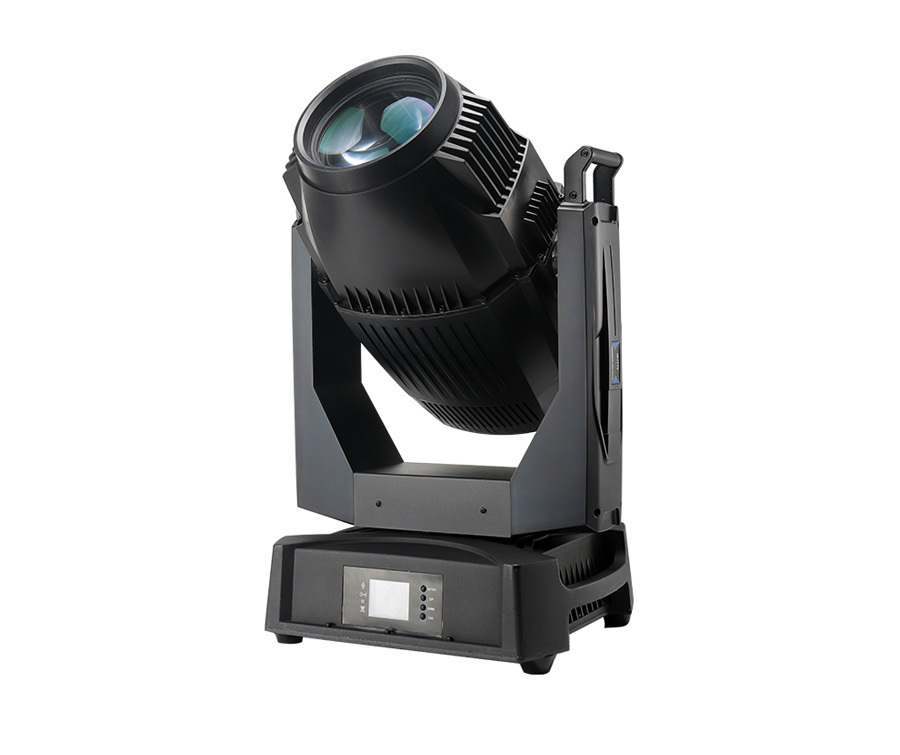

The Ultimate Guide to Beam Spot Wash Moving Head Lighting Solutions
The Ultimate Guide to Beam Spot Wash Moving Head Lighting Solutions Table of Contents 1. Introduction to Beam Spot Wash Moving Head Lighting 2. Understanding the Basics of Lighting Technology 3. Types of Moving Head Lights 3.1 Beam Lights 3.2 Spot Lights 3.3 Wash Lights 4. Key Features of Beam Spot Wash Moving Head Lights
Feb 20,2026
The Ultimate Guide to Beam Spot Wash Moving Head Lighting Solutions
Table of Contents
- 1. Introduction to Beam Spot Wash Moving Head Lighting
- 2. Understanding the Basics of Lighting Technology
- 3. Types of Moving Head Lights
- 4. Key Features of Beam Spot Wash Moving Head Lights
- 5. Applications of Beam Spot Wash Moving Head Lights
- 6. How to Select the Right Moving Head Light
- 7. Best Practices for Using Beam Spot Wash Moving Head Lights
- 8. Maintenance Tips for Longevity
- 9. Frequently Asked Questions
1. Introduction to Beam Spot Wash Moving Head Lighting
Beam spot wash moving head lights have revolutionized the lighting industry, offering versatile solutions for various applications, including concerts, theater productions, and large events. These advanced lighting fixtures combine multiple lighting effects in one unit, allowing users to create dynamic and captivating visual experiences. In this guide, we delve into the intricacies of beam spot wash lighting, providing you with essential knowledge to enhance your lighting setups.
2. Understanding the Basics of Lighting Technology
To appreciate the full potential of beam spot wash moving head lights, it's vital to understand key lighting principles. Lighting is essential for visibility and aesthetics in any environment. Different types of lighting serve various purposes and create different atmospheres. The transition from static lights to moving head fixtures marks a significant advancement in the field, enhancing flexibility and creativity in lighting design.
2.1 The Role of Light in Events
Light plays a crucial role in setting the mood and ambiance of any event. Whether it’s a concert, corporate event, or theatrical performance, the right lighting can transform an ordinary setting into an extraordinary spectacle. Moving head lights are particularly advantageous as they can pan, tilt, and change colors to follow the action on stage or create stunning visual effects.
3. Types of Moving Head Lights
Moving head lights can be broadly categorized into three types: beam lights, spot lights, and wash lights. Each type offers unique characteristics suited to different applications.
3.1 Beam Lights
Beam lights are designed to produce a concentrated beam of light, ideal for creating sharp, defined light projections. They are often used in concerts and events where piercing beams create dramatic effects and enhance the overall visual experience.
3.2 Spot Lights
Spot lights provide a focused light beam that can highlight specific areas or performers. They are essential for theater productions, where precise lighting is necessary to draw attention to actors or elements on stage.
3.3 Wash Lights
Wash lights offer a broader and softer light spread, used to wash entire surfaces with color or illumination. They are perfect for creating ambient lighting or background effects, making them a staple in event lighting design.
4. Key Features of Beam Spot Wash Moving Head Lights
When selecting beam spot wash moving head lights, several features should be considered to ensure they meet your specific needs.
4.1 Pan and Tilt Range
The ability to pan and tilt is crucial for dynamic lighting setups. A wider range allows for more creative freedom, enabling the lights to cover more area and create intricate designs.
4.2 Color Changing Technologies
Modern moving head lights often come equipped with advanced color mixing capabilities, including RGBW (Red, Green, Blue, White) systems. This feature allows for an extensive palette of colors, enhancing the visual impact of your lighting.
4.3 Beam Angle
The beam angle determines how wide or narrow the light beam is. A narrow beam angle is suited for creating sharp, focused spots, while a wider beam angle is better for wash effects. Choosing the right beam angle is critical for achieving the desired lighting effect.
4.4 Dimming and Strobe Functions
Dimming capabilities are essential for adjusting the intensity of light, while strobe functions create exciting flashing effects. These features allow for greater control over the atmosphere and energy of an event.
5. Applications of Beam Spot Wash Moving Head Lights
Beam spot wash moving head lights are versatile tools, finding applications in various settings.
5.1 Concerts and Live Events
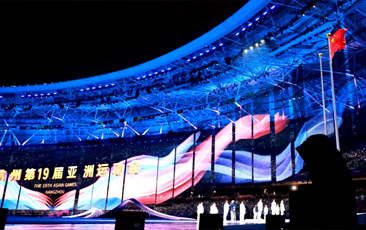
In concerts, moving head lights create visually stunning displays that captivate audiences. They can highlight performers, sync with music beats, and enhance the overall experience.
5.2 Theatre Productions
Theater lighting heavily relies on moving head lights to create mood and focus. These lights can follow actors, illuminate props, and change colors to suit different scenes.
5.3 Corporate Events
At corporate events, lighting plays a role in branding and presentation. Moving head lights help set the tone and elevate the overall professionalism of the event.
5.4 Television and Film Productions
In the film and television industry, precise lighting is key. Moving head fixtures are used to create dramatic effects and ensure that scenes are well-lit for cameras.
6. How to Select the Right Moving Head Light
Choosing the right moving head light involves considering several factors that align with your specific needs and applications.
6.1 Purpose and Venue
Determine the primary purpose of your lighting and the venue size. A larger venue may require more powerful fixtures with a broader range of features.
6.2 Budget
Establish a budget that balances quality and features. While it may be tempting to choose the cheapest option, investing in quality fixtures can yield better results in the long run.
6.3 User-Friendliness
Consider how user-friendly the lights are. Intuitive controls and software compatibility can significantly enhance your experience, making setup and operation smoother.
6.4 Brand Reputation
Research reputable brands known for quality and reliability. Reviews and testimonials can provide insights into the performance and durability of specific models.
7. Best Practices for Using Beam Spot Wash Moving Head Lights
To maximize the effectiveness of your beam spot wash moving head lights, follow these best practices.
7.1 Plan Your Lighting Design
Before the event, plan your lighting design carefully. Consider how the lights will interact with the stage, performers, and audience. A well-thought-out design maximizes the impact of your lighting.
7.2 Test Before the Event
Always test your lights before the event. Ensure all features are functioning correctly and that you are familiar with the controls to avoid any technical hitches during the performance.
7.3 Use DMX Controllers
DMX controllers are essential for managing multiple moving head lights. They allow for precise control over each fixture, enabling synchronized movements and effects.
7.4 Maintain Proper Distance
Ensure that your moving head lights are positioned at the right distance from the stage to avoid blinding performers or creating undesirable shadows.
8. Maintenance Tips for Longevity
Proper maintenance can extend the life of your moving head lights and ensure optimal performance.
8.1 Regular Cleaning
Dust and debris can accumulate on lenses and fixtures, affecting light quality. Regularly clean your lights and lenses with suitable cleaning materials to maintain clarity and performance.
8.2 Firmware Updates
Stay updated with the latest firmware for your moving head lights. Manufacturers often release updates that enhance functionality and fix bugs.
8.3 Store Properly
When not in use, store your fixtures in a cool, dry place. Proper storage prevents damage and preserves the functionality of your lights.
9. Frequently Asked Questions
9.1 What is the difference between beam, spot, and wash lights?
Beam lights create narrow, intense beams of light; spot lights offer focused illumination for specific areas; and wash lights provide broader, softer light for ambient effects.
9.2 Can moving head lights be used outdoors?
Yes, but ensure they are rated for outdoor use to withstand environmental conditions.
9.3 How many moving head lights do I need for an event?
The number of lights needed depends on the venue size and your desired lighting effects. Generally, more lights provide greater versatility.
9.4 Are moving head lights compatible with DMX controllers?
Most moving head lights are DMX compatible, allowing for synchronized control and programming.
9.5 How do I troubleshoot common issues with moving head lights?
Refer to the user manual for troubleshooting tips. Common issues may include connectivity problems or malfunctioning features, which can often be resolved by checking connections or resetting the system.
Conclusion
Beam spot wash moving head lighting solutions are essential tools for creating impactful and dynamic visual experiences across various industries. Understanding the types, features, applications, and best practices for these fixtures can significantly enhance your lighting design. By following this guide, you can make informed decisions that elevate your events and productions to new heights, ensuring your lighting setups are not only functional but also visually stunning. Embrace the power of beam spot wash moving head lights and transform your lighting endeavors today.

FILL IN YOUR REQUIREMENTS
If you are interested in our products, please leave your email and we will contact you as soon as possible. Thank you!
Cell/WhatsApp:
Email:
Address:
36 Building Meidong Industrial Park, San Dong Avenue, Huadu District,Guangzhou, China.

 facebook

 Mobile


 Tiktok