
-
Outdoor Laser Beam Outdoor Laser Beam Spot Wash Outdoor LED Spot Profile Outdoor LED Beam Spot Wash Outdoor Discharge Beam Outdoor Discharge Beam Spot Wash Outdoor LED Beam Outdoor LED Wash Outdoor LED ProjectorLIGHT Bar LED Madrix LED Retro Light LED Strobe Bar LED Strobe LED Blinder LED Fresnel LED Panel light


Unveiling the Magic: How Commercial Stage Lighting Fixtures Transform Spaces
Unveiling the Magic: How Commercial Stage Lighting Fixtures Transform Spaces In the realm of visual artistry, lighting plays a pivotal role in setting the mood, creating ambiance, and enhancing the overall experience in various environments. Commercial stage lighting fixtures have revolutionized how spaces are perceived, turning ordinary settings into extraordinary experiences. Whether for theatri
Sep 22,2026
Unveiling the Magic: How Commercial Stage Lighting Fixtures Transform Spaces
In the realm of visual artistry, lighting plays a pivotal role in setting the mood, creating ambiance, and enhancing the overall experience in various environments. Commercial stage lighting fixtures have revolutionized how spaces are perceived, turning ordinary settings into extraordinary experiences. Whether for theatrical productions, concerts, corporate events, or exhibitions, the right lighting can profoundly impact how audiences connect with performances and environments alike.
The Importance of Stage Lighting in Modern Spaces
Stage lighting is not merely a functional element; it is a vital aspect of storytelling. Lighting influences how we perceive color, texture, and even emotion. In commercial applications, effective lighting design can lead to enhanced engagement and memorable experiences.
The Role of Lighting in Performance Arts
In the world of performance arts, stage lighting is essential. It guides the audience’s focus, highlights key moments, and evokes emotions. The interplay of light and shadow creates depth, drawing viewers into the narrative. From the soft glow of a single spotlight to dynamic color washes that pulse with music, lighting shapes the story being told.
Enhancing Corporate Events and Presentations
For corporate events, effective lighting can elevate presentations and brand experiences. Well-planned lighting can create a professional atmosphere, drawing attention to speakers and products. It enhances visibility, ensuring that every participant is engaged and inspired. The right fixtures can also be an excellent way to reinforce brand identity through color and design.
Types of Commercial Stage Lighting Fixtures
Understanding the different types of commercial stage lighting fixtures is crucial for any venue or event planner. Each type serves distinct purposes and can be combined to achieve various effects.
LED Stage Lights
LED stage lights have gained immense popularity due to their energy efficiency, longevity, and versatility. These fixtures offer a wide range of colors and effects, making them ideal for both subtle and dynamic lighting applications. They can easily be programmed to suit any event, allowing for quick changes in mood and atmosphere.
Spotlights and Follow Spots
Spotlights are essential for highlighting specific performers or areas of a stage. Follow spots take this a step further, allowing operators to track moving subjects seamlessly. These fixtures are vital for theatrical performances, ensuring that the audience’s attention remains focused on key moments.
Wash Lights
Wash lights provide broad illumination, filling large areas with color and light. They are perfect for creating backgrounds, setting the tone of the event, and washing entire stages or walls with color. Their versatility makes them a staple in many commercial lighting designs.
Moving Head Lights
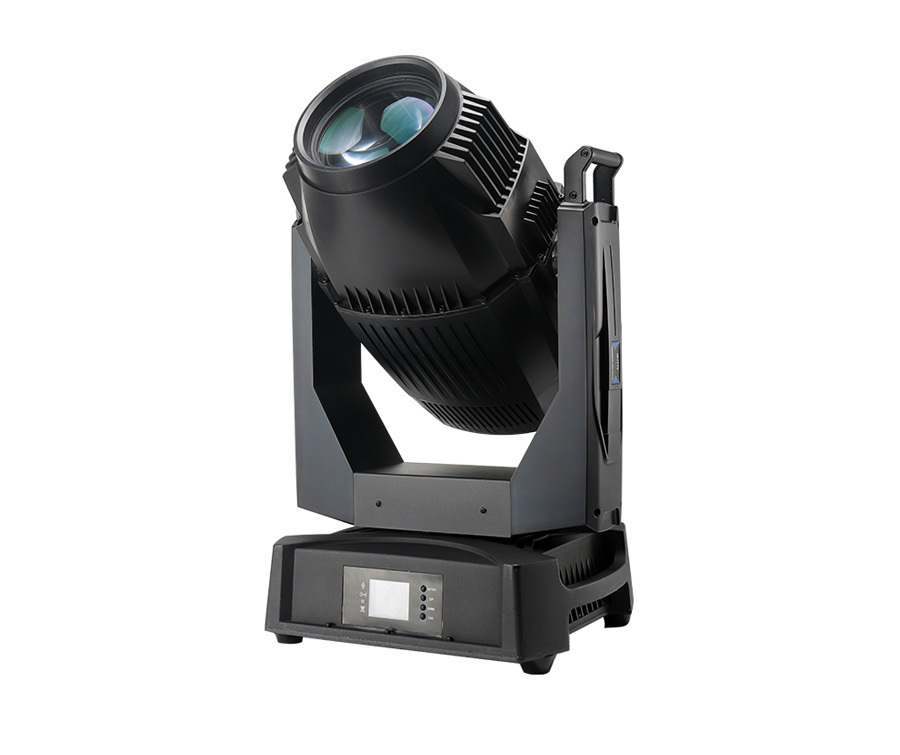
Moving head lights are the epitome of flexibility in stage lighting. These fixtures can pan, tilt, and change color, allowing for dynamic lighting effects that can adapt to the rhythm of the performance or event. Their programmable features enable lighting designers to create stunning visual displays that enhance the overall experience.
Specialty Effects Lighting
Specialty effects lighting includes fixtures that create unique visual experiences, such as fog machines, strobe lights, and laser systems. These elements add drama and spectacle, ensuring that performances leave a lasting impression on audiences.
Designing the Perfect Stage Lighting Setup
Creating an effective stage lighting design requires planning and creativity. Lighting designers must consider the space, the event type, and the desired outcome. Here are key factors to consider when designing a lighting setup.
Understanding the Venue
The first step in any lighting design is to understand the venue. Each space has unique characteristics, including size, shape, and existing lighting conditions. Knowing these elements allows designers to choose the right fixtures and placement to achieve optimal results.
Creating a Lighting Plan
A well-structured lighting plan outlines the types of fixtures needed, their placement, and how they will be controlled. It’s essential to consider how different lights will interact with each other and the surrounding environment. This plan should also include contingencies for any technical issues that may arise during the event.
Incorporating Color and Mood
Color plays a significant role in stage lighting. Different colors evoke different emotions and can significantly affect the audience’s experience. Lighting designers should carefully select colors that align with the theme of the performance or event. By creating mood boards and using software simulations, designers can visualize how color choices will impact the overall atmosphere.
Technical Considerations and Equipment
Choosing the right equipment is crucial for achieving the desired lighting effects. Designers must consider factors such as wattage, beam angles, and compatibility with control systems. Additionally, understanding the technical aspects of dimming and color mixing can help designers create seamless transitions between lighting states.
Case Studies: Successful Transformations through Lighting
To fully appreciate the impact of commercial stage lighting fixtures, let’s explore some case studies where strategic lighting choices have transformed spaces.
Theater Production: “A Midsummer Night's Dream”
In a recent production of “A Midsummer Night's Dream,” the lighting team used a combination of LED fixtures and moving head lights to create an enchanting atmosphere. Various colors and effects were used to represent the dreamlike quality of the play, enhancing the audience’s immersion in the story. The ability to change colors and focus on specific characters helped convey the emotional depth of the performance.
Corporate Conference: Tech Innovations Showcase
At a recent tech innovations conference, the lighting design was pivotal for product launches and keynote speeches. Wash lights and spotlights were strategically placed to ensure speakers were well-lit, while LED screens displayed dynamic visuals that complemented the event’s theme. This thoughtful approach kept the audience engaged and highlighted the innovative nature of the products being showcased.
Future Trends in Stage Lighting Technology
The world of stage lighting is constantly evolving, with new technologies emerging that promise to further enhance the creative possibilities for designers.
Smart Lighting Systems
Smart lighting systems are becoming increasingly popular in commercial applications. These systems allow for remote control and programming, enabling designers to make real-time adjustments during performances. Integration with mobile apps and automation technology simplifies the lighting design process, making it more accessible for various users.
Energy Efficiency and Sustainability
As awareness of environmental issues grows, many lighting companies are focusing on energy-efficient technologies. LED fixtures are already a step in this direction, but future innovations may include solar-powered lights and systems that minimize energy consumption while maximizing output. This shift toward sustainability is essential for the future of the industry.
FAQs about Commercial Stage Lighting Fixtures
1. What are the main types of stage lighting fixtures?
The main types of stage lighting fixtures include LED lights, spotlights, wash lights, moving head lights, and specialty effects lighting. Each type serves different functions depending on the desired effect.
2. How does stage lighting affect audience perception?
Stage lighting can significantly impact audience perception by guiding attention, enhancing emotions, and creating a particular atmosphere. Proper lighting can make performances more engaging and immersive.
3. What factors should be considered in a lighting design plan?
Key factors in a lighting design plan include the venue's characteristics, the types of lighting fixtures needed, color choices, technical requirements, and how lighting will interact with other design elements.
4. How can commercial stage lighting fixtures be used for corporate events?
Commercial stage lighting fixtures can enhance corporate events by improving visibility for speakers, creating a professional atmosphere, and reinforcing brand identity through lighting design.
5. What are some future trends in stage lighting technology?
Future trends in stage lighting technology include smart lighting systems, advancements in energy efficiency, and a focus on sustainability. These innovations promise to enhance creativity and usability for lighting designers.
Conclusion
Commercial stage lighting fixtures are essential tools that can transform spaces, whether they are used for theatrical performances, corporate events, or exhibitions. The right lighting design enhances the experience for audiences and performers alike, shaping how stories are told and environments are perceived. As technology continues to advance, lighting will become even more integral to creating unforgettable experiences. By understanding the various types of fixtures, their uses, and the emerging trends in the industry, we can harness the power of light to illuminate our narratives and engage our audiences in new, exciting ways.
PREVIOUS:

FILL IN YOUR REQUIREMENTS
If you are interested in our products, please leave your email and we will contact you as soon as possible. Thank you!
Cell/WhatsApp:
Email:
Address:
36 Building Meidong Industrial Park, San Dong Avenue, Huadu District,Guangzhou, China.

 facebook

 Mobile


 Tiktok