
-
Outdoor Laser Beam Outdoor Laser Beam Spot Wash Outdoor LED Spot Profile Outdoor LED Beam Spot Wash Outdoor Discharge Beam Outdoor Discharge Beam Spot Wash Outdoor LED Beam Outdoor LED Wash Outdoor LED ProjectorLIGHT Bar LED Madrix LED Retro Light LED Strobe Bar LED Strobe LED Blinder LED Fresnel LED Panel light
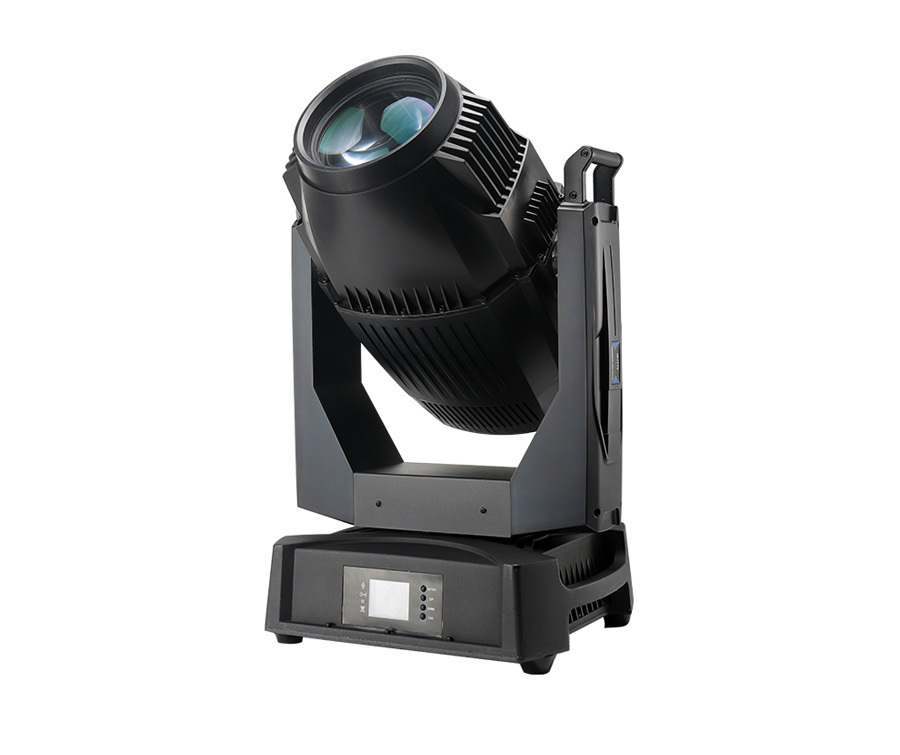


The Science Behind LED Beam Spot Moving Lights Explained
The Science Behind LED Beam Spot Moving Lights Explained Table of Contents 1. Introduction to LED Beam Spot Moving Lights 2. Understanding LED Technology 2.1 What Are LEDs? 2.2 Benefits of LEDs in Lighting 3. Mechanics of Beam Spot Moving Lights 3.1 How Moving Lights Operate 3.2 Types of LED Beam Spot Moving Lights 4. Applications of LED Beam Spot Moving Lights 4.1 Entertainment Industry 4.2 Archi
Sep 08,2026
The Science Behind LED Beam Spot Moving Lights Explained
Table of Contents
1. Introduction to LED Beam Spot Moving Lights
2. Understanding LED Technology
2.1 What Are LEDs?
2.2 Benefits of LEDs in Lighting
3. Mechanics of Beam Spot Moving Lights
3.1 How Moving Lights Operate
3.2 Types of LED Beam Spot Moving Lights
4. Applications of LED Beam Spot Moving Lights
4.1 Entertainment Industry
4.2 Architectural Lighting
4.3 Event Lighting
5. Key Features and Specifications
5.1 Beam Angles and Focus
5.2 Color Mixing Technologies
6. Energy Efficiency and Environmental Impact
7. Future Trends in LED Beam Spot Moving Lights
8. Frequently Asked Questions (FAQs)
9. Conclusion
1. Introduction to LED Beam Spot Moving Lights
LED beam spot moving lights are a remarkable innovation in the lighting industry. They combine advanced technology with creative design to produce stunning visual effects. These lights are not just about illumination; they are about transformation. Whether in concert halls, theaters, or architectural spaces, LED beam spot moving lights are pivotal in enhancing experiences.
2. Understanding LED Technology
The foundation of LED beam spot moving lights lies in LED (Light Emitting Diode) technology. This section explores what LEDs are and why they have become a preferred choice in modern lighting solutions.
2.1 What Are LEDs?
LEDs are semiconductor devices that emit light when an electric current passes through them. Unlike traditional incandescent bulbs, which generate light through heat, LEDs produce light through a process called electroluminescence. This efficiency is one of the many reasons LEDs have revolutionized the lighting industry.
2.2 Benefits of LEDs in Lighting
The advantages of LED technology are numerous:
- **Energy Efficiency**: LEDs consume significantly less energy compared to incandescent or fluorescent lights.
- **Longevity**: LEDs have a longer lifespan, often lasting up to 25,000 hours or more.
- **Low Heat Emission**: LEDs produce very little heat, making them safer and more efficient.
- **Versatility**: They can be used in various applications, from residential to commercial lighting.
3. Mechanics of Beam Spot Moving Lights
The mechanics behind these lights involve intricate systems that allow them to create dynamic lighting effects.
3.1 How Moving Lights Operate
LED beam spot moving lights are equipped with motors that enable them to pan, tilt, and change focus. This mobility allows lighting designers to create captivating scenes by directing beams of light to specific areas. The precision of movement makes them ideal for various applications, from theatrical productions to live concerts.
3.2 Types of LED Beam Spot Moving Lights
There are several types of LED beam spot moving lights, including:
- **Spot Lights**: Narrow beams that focus on a specific area.
- **Wash Lights**: Broad beams that illuminate larger areas.
- **Profile Lights**: Adjustable beam focus that allows for sharp edges.
4. Applications of LED Beam Spot Moving Lights
The versatility of LED beam spot moving lights lends itself to numerous applications, enhancing both aesthetics and functionality.
4.1 Entertainment Industry
In concerts and theater productions, these lights create mood and atmosphere. The ability to change colors and focus dynamically captivates audiences, making performances more engaging.
4.2 Architectural Lighting
Architects often use LED beam spot moving lights to highlight structural features of buildings. They can enhance the visual appeal of facades, gardens, and public spaces.
4.3 Event Lighting
For events such as weddings and corporate functions, these lights create enchanting settings. Their ability to change colors and focus allows event planners to tailor the lighting to fit the theme and mood of the occasion.
5. Key Features and Specifications
Understanding the specifications of LED beam spot moving lights helps in selecting the right equipment for specific needs.
5.1 Beam Angles and Focus
Beam angle determines how wide or narrow the light spreads. A narrow beam angle creates a tight, focused light, while a wider beam angle spreads the light over a larger area. Choosing the correct beam angle is crucial for achieving the desired lighting effect.
5.2 Color Mixing Technologies
Modern LED beam spot moving lights often employ RGB (Red, Green, Blue) color mixing technologies. This allows them to produce a vast spectrum of colors, providing flexibility for various lighting designs.
6. Energy Efficiency and Environmental Impact
The shift towards LED technology is not only about efficiency but also about sustainability. By consuming less energy, LED beam spot moving lights contribute to lower carbon emissions, making them an environmentally friendly choice for lighting.
7. Future Trends in LED Beam Spot Moving Lights
The future of LED beam spot moving lights is bright, with continuous advancements in technology. Innovations such as wireless control systems, smart lighting features, and enhanced color mixing capabilities are on the horizon. These developments promise to make lighting even more customizable and user-friendly.
8. Frequently Asked Questions (FAQs)
**Q1: How long do LED beam spot moving lights last?**
A1: LED beam spot moving lights can last up to 25,000 hours or more, significantly outlasting traditional bulbs.
**Q2: Are LED beam spot moving lights energy-efficient?**
A2: Yes, LED lights are highly energy-efficient, consuming substantially less power than conventional lighting options.
**Q3: What applications are best suited for LED beam spot moving lights?**
A3: They are ideal for concerts, theaters, architectural lighting, and various events where dynamic lighting effects are desired.
**Q4: Can LED beam spot moving lights change colors?**
A4: Absolutely. Most modern LED moving lights feature color mixing technologies that allow for a wide range of colors.
**Q5: How do you maintain LED beam spot moving lights?**
A5: Regular cleaning and proper storage when not in use will help to ensure their longevity and performance.
9. Conclusion
LED beam spot moving lights have transformed the way we illuminate spaces, offering unparalleled flexibility, efficiency, and creativity. As technology continues to evolve, these lights will undoubtedly play an even more significant role in various industries. By understanding their mechanics, benefits, and applications, we can appreciate the profound impact LED technology has on our visual experiences.
PREVIOUS:

FILL IN YOUR REQUIREMENTS
If you are interested in our products, please leave your email and we will contact you as soon as possible. Thank you!
Cell/WhatsApp:
Email:
Address:
36 Building Meidong Industrial Park, San Dong Avenue, Huadu District,Guangzhou, China.

 facebook

 Mobile


 Tiktok