
-
Outdoor Laser Beam Outdoor Laser Beam Spot Wash Outdoor LED Spot Profile Outdoor LED Beam Spot Wash Outdoor Discharge Beam Outdoor Discharge Beam Spot Wash Outdoor LED Beam Outdoor LED Wash Outdoor LED ProjectorLIGHT Bar LED Madrix LED Retro Light LED Strobe Bar LED Strobe LED Blinder LED Fresnel LED Panel light


Illuminating the Stage: The Role of LED Theatrical Profile Lights in Modern Lighting Design
In the realm of stage production, lighting design plays a pivotal role in creating atmosphere, guiding audience focus, and enhancing storytelling. Among the various lighting options available, LED theatrical profile lights have emerged as a game-changer, offering numerous advantages for both designers and performers. LED theatrical profile lights, often referred to as profile spotlights or ellips
Sep 05,2026
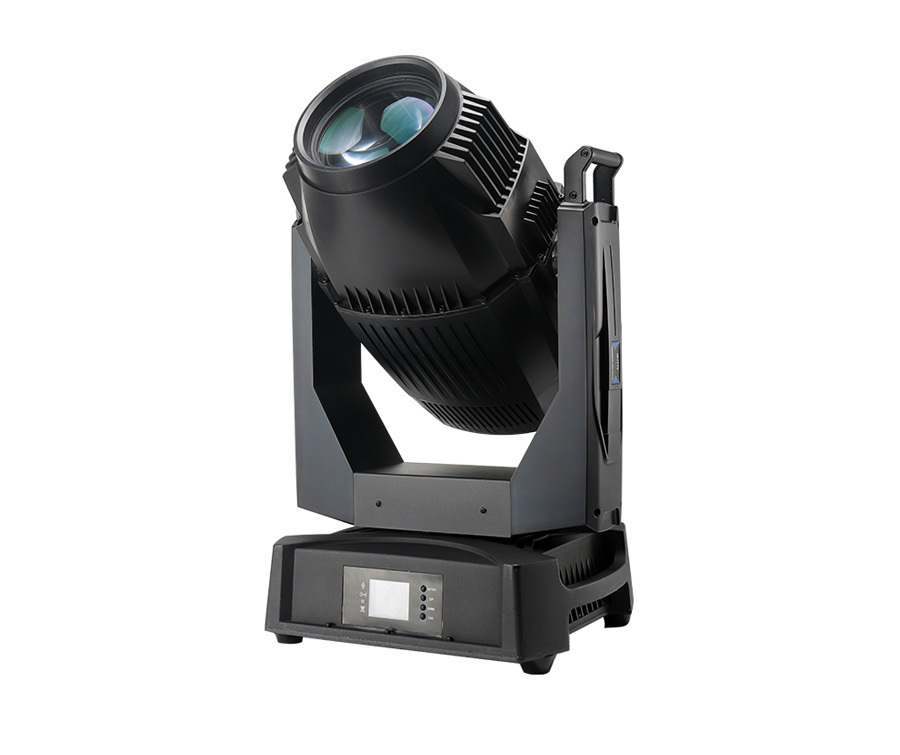
LED theatrical profile lights, often referred to as profile spotlights or ellipsoidal lights, are known for their ability to produce sharp, defined beams of light. They are primarily used for highlighting actors, creating dramatic effects, and shaping light to fit specific areas on stage. The utilization of LED technology in these lights brings a host of benefits that significantly improve their efficacy in theatrical settings.
One of the most notable advantages of LED theatrical profile lights is their energy efficiency. Unlike traditional incandescent lights, which consume a significant amount of power and generate excess heat, LED lights operate at much lower wattage. This not only reduces energy costs but also minimizes the need for extensive cooling systems in theaters, allowing for longer performances without the discomfort of heat buildup.
Moreover, LED theatrical profile lights offer exceptional control over color and intensity. With the ability to mix colors and adjust brightness levels seamlessly, lighting designers can create a myriad of effects that enhance the emotional tone of a performance. This versatility allows for dynamic lighting changes that can be programmed and controlled remotely, streamlining the production process and providing greater creative freedom.
Another key benefit of LED profile lights is their longevity. Traditional lighting fixtures may require frequent bulb replacements, leading to added maintenance costs and downtime. In contrast, LED lights boast an impressive lifespan, often exceeding 25,000 hours of use. This durability not only reduces the frequency of replacements but also contributes to a more sustainable approach to lighting design in the performing arts.
The compact size of LED theatrical profile lights also allows for greater flexibility in staging. Designers can position these lights in tighter spaces or use them in unconventional setups, maximizing the use of available stage real estate. This adaptability is particularly valuable in smaller venues where space constraints can be a significant challenge.
In conclusion, LED theatrical profile lights represent a significant advancement in the field of lighting design for theatrical productions. Their energy efficiency, exceptional color control, durability, and flexibility make them an indispensable tool for modern lighting designers. As the performing arts continue to evolve, the integration of LED technology in theatrical lighting will undoubtedly play a crucial role in shaping the future of stage productions, enhancing both the visual experience and the artistic expression of performance.

FILL IN YOUR REQUIREMENTS
If you are interested in our products, please leave your email and we will contact you as soon as possible. Thank you!
Cell/WhatsApp:
Email:
Address:
36 Building Meidong Industrial Park, San Dong Avenue, Huadu District,Guangzhou, China.

 facebook

 Mobile


 Tiktok